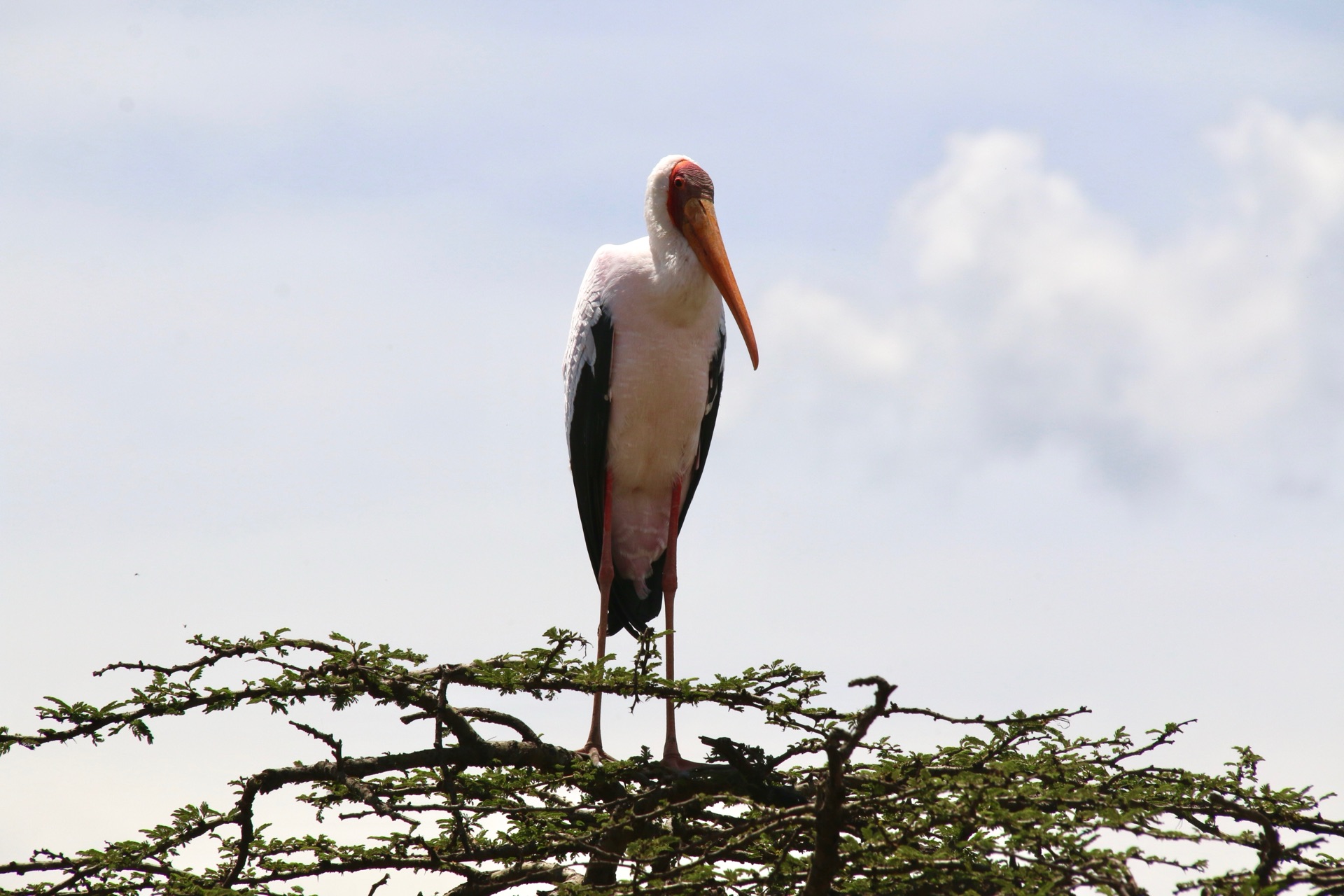
Birding
Book the guide first. The route follows from there.
It is the one special interest where a single person makes more difference than every other decision combined.
Why the guide is almost the whole thing
A general safari guide knows perhaps a hundred species by sight and will name the obvious ones cheerfully. A birding guide knows several hundred by call, hears them before anybody sees anything, and will find forty species in a morning you would otherwise have driven straight through.
The gap is not marginal. It is the difference between a trip with birds in it and a birding trip.
Ask for one at the enquiry stage and ask by name. The good ones are booked well ahead, and the request is far more likely to succeed six months out than six weeks out.
Habitat variety beats density
This is where birding inverts every other piece of safari advice. For big game you want density; for birds you want edges — a lake shore, a patch of highland forest, a scrubby valley, a river line, an area of acacia and an area of open plain.
Six habitats in one week will out-produce the most famous plains in Africa, which is why a birding route often looks eccentric written down and is nothing of the sort.
- Lake edges for waders, flamingo, pelican and the raptors that work them
- Highland forest for turacos, and for species that exist nowhere lower down
- Dry acacia scrub for a completely different list, and for the northern specials
- River lines for kingfishers, herons and everything that follows water
- Open plain for bustards, larks and the big terrestrial birds
- Camp gardens, genuinely — an hour before breakfast in a good garden is remarkably productive
Season
The wet months bring migrants, breeding plumage and display behaviour, and they are the best birding of the year by a clear margin. They are also greener, quieter and cheaper.
They are simultaneously the harder months for big-game photography and long grass, which is worth knowing if the party contains both interests.
What a birding day looks like
Out at first light, slowly, with frequent stops and the engine off. A great deal of standing still. Back late morning, out again at four, and often an hour on foot somewhere the land permits it.
It is a quieter, more patient day than a general game drive and it covers far less ground. Anyone in the vehicle who wants to see a lion every morning will find it slow, which is the case for a private vehicle or two schedules.
How it goes wrong
The trip is planned around big game and the birding guide is requested on arrival. By then the route has been chosen for density rather than habitat, the camps sit in one ecosystem, and the guide — however good — is working with what he has been given.
The fix costs nothing at the enquiry stage and is impossible on day two. Say it first.
Ready to turn this into a real itinerary?
Send us your dates, who is travelling and roughly what you want to spend per person per night. Our East Africa specialist comes back within 24 hours with a plan built around them and a costed quote.